Description
Mechanism of Action
- Negative Pressure: A vacuum pump applies controlled suction (typically between -50 to -125 mmHg) to the wound bed.
- Fluid Removal: Drains excess exudate, bacteria, and debris, reducing edema and infection risk.
- Improved Blood Flow: Enhances circulation to the wound area, promoting oxygen and nutrient delivery.
- Mechanical Stimulation: Pulls wound edges together, encouraging granulation tissue formation and wound contraction.
Components of a VAC Dressing System
- Open-Cell Foam: Placed inside the wound to evenly distribute negative pressure.
- Types: Polyurethane (for shallow wounds) or polyvinyl alcohol (PVA) foam (for deeper, exudating wounds).
- Transparent Adhesive Film: Seals the wound and foam to maintain airtight suction.
- Tubing: Connects the foam to the vacuum pump.
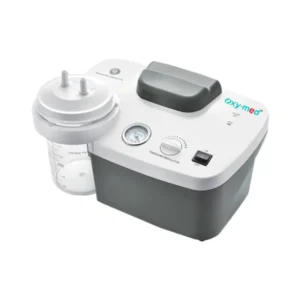
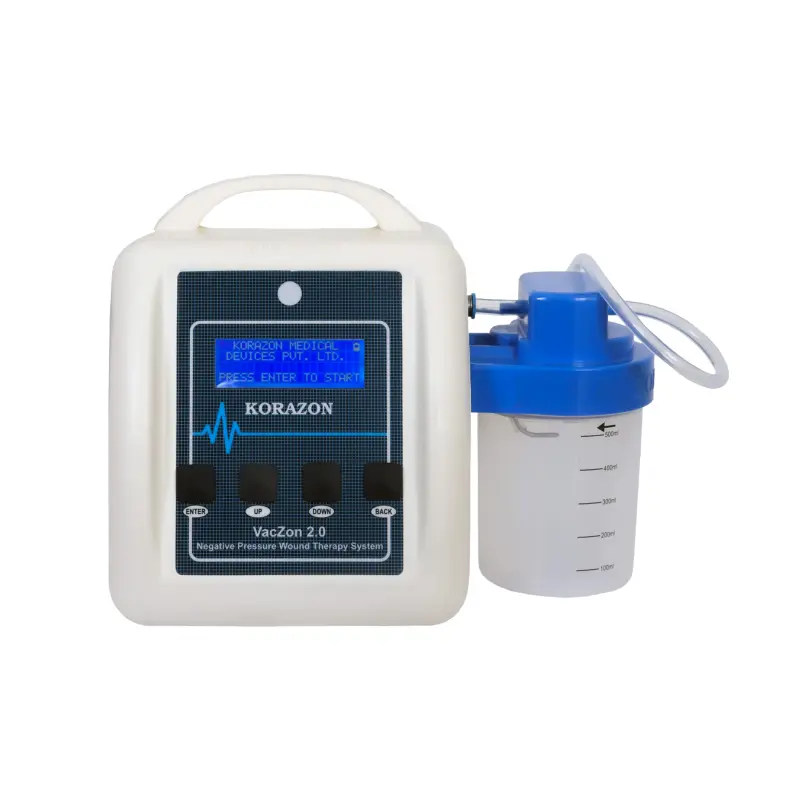
- Vacuum Pump: Portable or stationary device that generates and regulates negative pressure.
- Collection Canister: Captures drained fluids.
Indications for Use
VAC therapy is effective for:
- Chronic Wounds: Diabetic ulcers, pressure injuries, venous stasis ulcers.
- Acute Wounds: Traumatic injuries, burns, surgical wounds (e.g., dehiscence, infected incisions).
- Complex Wounds: Post-operative infections, necrotizing fasciitis, or wounds with exposed bone/tendons.
- Flap/Graft Sites: Protects and stabilizes skin grafts or flaps.
Benefits of VAC Dressing
- Accelerates Healing: Reduces healing time by up to 50% in some cases.
- Reduces Edema and Infection Risk: Removes bacteria-laden fluid and decreases wound bioburden.
- Minimizes Dressing Changes: Requires fewer changes compared to traditional dressings (typically every 48–72 hours).
- Enhances Granulation Tissue: Stimulates the growth of healthy tissue.
- Pain Management: Reduces wound tension and mechanical irritation.
Contraindications and Precautions
- Absolute Contraindications:
- Malignancy in the wound.
- Untreated osteomyelitis.
- Non-enteric fistulas (e.g., connections to organs).
- Relative Contraindications:
- Active bleeding or anticoagulant therapy.
- Fragile skin or exposed blood vessels/nerves.
- Allergies to dressing components (e.g., acrylic adhesives).
Application Steps
- Wound Preparation: Debride necrotic tissue and irrigate the wound.
- Foam Placement: Trim foam to fit the wound bed.
- Sealing: Cover with adhesive film, ensuring airtight contact.
- Tubing Connection: Attach tubing to the pump and set pressure parameters.
- Activation: Start continuous or intermittent suction as prescribed.
Nursing Considerations
- Monitor the System: Check for air leaks, loss of suction, or pump alarms.
- Assess Wound Progress: Look for signs of infection (redness, odor) or inadequate healing.
- Patient Education: Teach patients to avoid pulling on tubing and report pain or pump malfunctions.
- Pain Management: Administer analgesics before dressing changes if needed.
Potential Complications
- Skin Irritation: From adhesive film or prolonged pressure.
- Infection: Improper sealing can introduce pathogens.
- Bleeding: Rare but possible in patients on anticoagulants.
- Foam Retention: Fragments left in the wound during dressing changes.
VAC dressing is a transformative tool in modern wound care, particularly for complex or slow-healing wounds. Its success depends on proper patient selection, meticulous application, and ongoing monitoring by Healthcare Needs. Healthcare Needs play a pivotal role in managing VAC systems and ensuring patient comfort and safety.